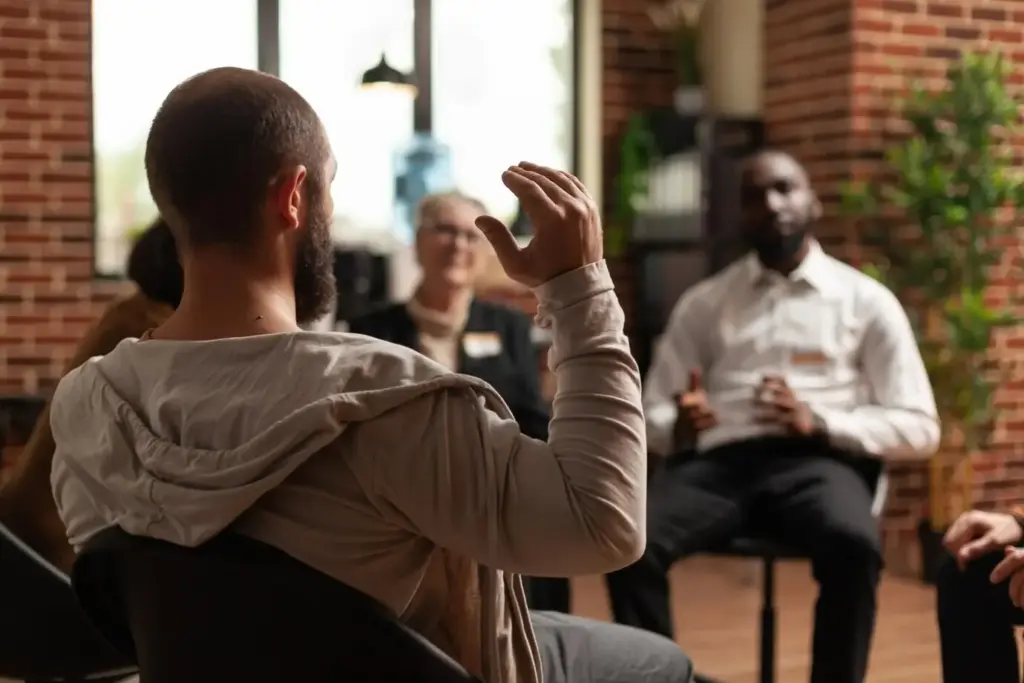
Turn Remote Meetings Into Adventures

Today we explore Interactive Story Prompts for Remote Team Communication Training, transforming scattered calls into playful quests where clarity, empathy, and alignment matter. Through branching choices and collaborative twists, your team will practice listening, signaling uncertainty, and confirming decisions while laughing together across time zones. Expect frameworks, sample scripts, and facilitation tricks ready to drop into your next calendar invite.

Setting Stakes That Encourage Clear Messaging

Stakes focus attention. Frame consequences that matter to the team—missed deadlines, confused customers, duplicated work—yet keep outcomes reversible so experimentation feels safe. When the group must align on a single course of action, they practice concise proposals, respectful challenges, and confirmation loops that prevent misunderstanding from silently spreading.

Balancing Constraints and Creative Freedom

Constraints spark creativity, especially online. Limit time, information, or channels to simulate real pressure, but leave space for inventive solutions and role play. Offer optional twists—new data, sudden blockers, stakeholder surprises—that demand adaptive messaging. The sweet spot makes miscommunication visible without overwhelming participants’ cognitive bandwidth or energy.

Building Characters That Reflect Real Team Roles

Characters help participants safely experiment with communication choices. Map personas to familiar roles—product lead, customer advocate, security reviewer, new hire—and give each clear motivations. When teammates temporarily inhabit different roles, they feel the friction others face, develop empathy, and practice translating jargon into accessible, action-ready language.

Tools and Platforms That Bring Stories Alive

Lightweight Options for Fast Iterations

Speed matters. Use one shared doc with headers and checkboxes to run a complete scenario, freeing attention for listening instead of navigation. Timers, inline comments, and quick reactions provide structure without ceremony. A small toolkit, practiced well, beats complex stacks that steal momentum.

Collaborative Whiteboards for Visual Clarity

Visual maps reduce ambiguity. Map scenes as nodes, add decision branches, and track assumptions with colorful tags. Invite participants to draw, cluster, and label risks. Seeing evolving context helps quieter voices contribute asynchronously and lets facilitators freeze the canvas for debriefs that spotlight pivotal communication moments and missed confirmations.

Asynchronous Paths for Distributed Time Zones

Not everyone overlaps. Design turn-based story steps hosted in shared docs or channels, with deadlines for each move. Participants record rationale via short voice notes or bullet summaries, then hand off. The staggered pace surfaces gaps, encourages thoughtful replies, and respects global schedules without sacrificing narrative coherence or engagement.

Measuring Communication Skills Through Story Outcomes

Assessment becomes meaningful when tied to observable behaviors. Track whether participants ask clarifying questions, summarize agreements, and confirm responsibilities. Evaluate how decisions are recorded and how uncertainty is communicated. Use simple rubrics and visible artifacts—decision logs, recap messages, concise stakeholder updates—to quantify progress. Over several sessions, compare baseline and follow-up scores, celebrate wins, and set specific targets. Measurement should guide growth, not judge personalities, reinforcing safety while making improvement unmistakably concrete.

Inclusive Prompts for Global Teams

Universal Motifs Without Culture-Specific Traps

Choose settings like expeditions, rescue coordination, or product launches that do not rely on regional references. Replace sports metaphors with clear outcomes and constraints. When cultural nuance matters, define it upfront. The goal is tension from decisions, not confusion from unfamiliar references that accidentally exclude or misrepresent participants.

Plain Language and Visual Supports

Favor short sentences, strong verbs, and concrete nouns. Provide timelines, maps, and checklists alongside dialogue to reduce cognitive load. When specialized terms appear, add quick tooltips or a glossary box. The clearer the scaffold, the easier it becomes for multilingual teammates to contribute confident, high-quality messages without anxiety.

Accessibility from the First Draft

Bake accessibility into planning. Offer captions, readable fonts, and sufficient contrast. Provide alt text for images and keyboard-friendly boards. Share materials beforehand so participants can prepare. When accommodations are normalized, people focus on collaboration, not overcoming friction, and the exercise reflects how inclusive teams truly deliver.

Facilitation Techniques That Keep Momentum

Dynamic pacing prevents drift in virtual rooms. Open with a playful micro-scenario, establish roles, and frame the mission crisply. Alternate high-energy collaboration with quiet individual reflection to include diverse styles. Use countdowns, cliffhangers, and checkpoint summaries to keep narrative tension. Rotate scribes and spokespersons. Name communication behaviors explicitly, then spotlight them during debriefs. Momentum is a feeling, not only a schedule, and your structure should funnel attention toward brave questions and crisp confirmations.

Timeboxes, Checkpoints, and Dramatic Beats

Short bursts create urgency. Announce a three-minute window to propose options, a one-minute pause to paraphrase, and a final thirty seconds to confirm owners. Treat checkpoints as cliffhangers. This cadence keeps attention high, reduces rambling, and models decisive, respectful communication under gentle, realistic pressure.

Role Rotation to Surface Hidden Strengths

Assign rotating roles—listener, summarizer, risk scout, and facilitator-in-training. Rotation ensures everyone practices different muscles and appreciates how each contributes to clarity. Hidden strengths emerge when quiet teammates excel at synthesis or risk framing, shifting team dynamics toward trust, balanced airtime, and reliable decision documentation.

Warmups That Melt Remote Awkwardness

Begin with tiny, joyful prompts—a two-sentence rescue update, an emoji-only status, or a sketch of the current obstacle. Warmups lower anxiety, prime active listening, and build rapport. When participants already feel connected, tougher narrative choices flow naturally, and feedback becomes kinder, faster, and more actionable.

Real Stories from Remote Workshops

Practical examples reveal how narrative practice changes behavior. Across industries, we have watched groups replace vague updates with concrete next steps, transform interruptions into curiosity, and shift from assumptions to clarifying questions. The most encouraging pattern: once teams taste the relief of shared language, they voluntarily keep using the structures, even outside the story, because work feels lighter and results more predictable.

Create Your First Scenario Today

Start small and iterate boldly. Choose a short mission, prepare two decision branches, and script three checkpoints where the group must summarize and confirm. Invite feedback, measure behaviors, and refine. Share your outcomes with peers, ask for critiques, and build a lightweight library. If you find this guide helpful, subscribe, comment with your results, and request custom prompts tailored to your team’s tools and goals.

A Five-Step Kickoff You Can Run This Week

Pick a relatable problem, define success, write a one-paragraph setup, add two twists, and draft a debrief checklist. Schedule forty-five minutes. You will leave with a shared vocabulary, sharper summaries, and a repeatable format your team will ask to revisit frequently.

Comment Prompts to Spark Peer Learning

Post your best summarizing sentence, a clarification question you wish you had asked sooner, and one phrase that improved alignment. Respond to two peers with constructive compliments and specific suggestions. Peer commentary magnifies learning, spreads techniques, and builds a culture where communication craft is celebrated openly.

Mafinaxokuxevu
Privacy Overview

This website uses cookies so that we can provide you with the best user experience possible. Cookie information is stored in your browser and performs functions such as recognising you when you return to our website and helping our team to understand which sections of the website you find most interesting and useful.